Color Psychology in Branding for High-end Service Businesses
Color plays an essential role in how we perceive brands and companies. Some colors inspire trust, and others curate excitement. Selecting the right colors as a business owner can determine if a client feels neutral or enthusiastic about your business.
In this post, I’ll cover the power of color psychology in branding for high-end service businesses. So you can attract the right clientele to your brand and set the cadence of your business.
What is Color Psychology?
Color psychology is the study of how colors impact our emotions and behaviors. According to Web MD…
“Color psychology connects colors with emotions and behavior. It reveals how color plays a role in your moods. For businesses, color psychology informs decisions like product packaging and brand logos.”
When selecting colors for your brand, you’ll want to consider what specific colors mean to your clients. I advise you to select colors that make you happy as a business owner and resonate with your ideal clients.
How Do Colors Affect How We Feel?
While there isn’t much data on the effects of color, some studies have been conducted to get a general sense of how people perceive specific colors.
According to the study titled Universal Patterns in Color-Emotion Associations Are Further Shaped by Linguistic and Geographic Proximity. People associate specific colors with certain emotions:
Red: 68% associated red with love
Blue: 35% linked blue to feelings of relief
Green: 39% linked green to contentment
Yellow: 52% felt that yellow means joy
Purple: 25% reported they associated purple with pleasure
Awareness of which colors evoke specific emotions will help you better understand how others perceive your business. Plus, ensure that you attract the right clients to your business.
Let’s better understand what specific colors mean emotionally for people.
The Meaning of Colors and How They Impact Your Luxury Brand
Now that we have a little history of how others perceive colors. Let’s look at what specific colors mean and represent to others.

The Color Psychology of Green
The color green is often connected with calm and relaxation.
Along with a more earthy and natural vibe. The familiar words that people associate with green are
Motivation
Optimistic
Envy
Peace
Brands that use green in their branding are Starbucks, Land Rover, and Whole Foods.
Like all colors, green can be seen in various hues and spectrums, from a rich forest green to a more mellow pale green.
When considering using green in your luxury branding, think of what story you want the color to tell. Also, consider the types of services that you sell. Will they resonate with the familiar feelings your ideal clients associate with the color green?

The Color Psychology of Yellow
The color yellow can represent happiness or be a warning depending on its use. Overall, most people associate the color yellow with joy or
Energetic
Bright
Attention-grabbing
Cheerful
Companies that use yellow in their branding are Pattern Beauty, Ferrari, and Nikon.
Tying your brand colors to how you want people to feel about your brand can result in a positive outcome.
Ferrari utilizes its brand colors very well. Their cars are attention-grabbing and most likely cause a slew of questions for the owners of these cars. Allowing the car owner to exude their desire for self-expression.
As a service provider, think about how you want your clients to feel after working with you. Going with the color yellow is great if you want to attract more cheerful clients who may have a bubbly or fun personality.
The Color Psychology of Blue
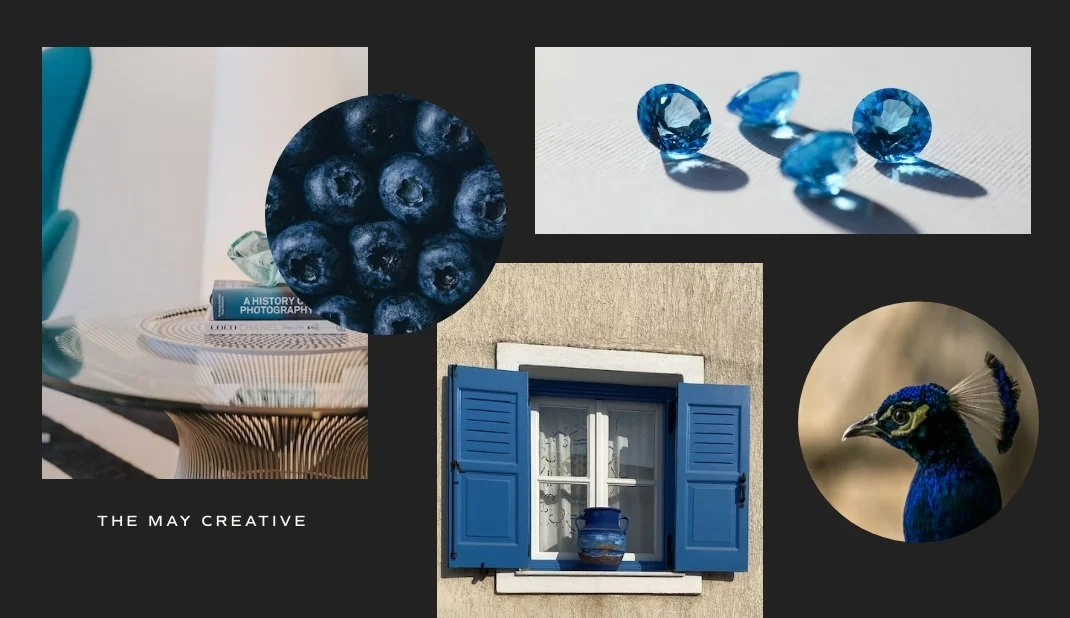
Blue is a common color used in many mass-market brands. Most people think of trust and reliability when they see the color blue.
Some brands that use blue in their branding are Tiffany & Co. and Boeing.
Words that often describe the thoughts & emotions of the color blue are
Trustworthy
Bravery
Tranquility
Responsibility
Tiffany & Co. is a trustworthy brand that has been around for years.
Other brands that people are comfortable with, especially in the U.S., include Walmart, which targets the mass market.
The color blue is versatile and can be used in a variety of ways. Also, it can sometimes be a color that blends your brand with other companies using the same color.
As a service provider, you could leverage richer hues of blue to help reinforce trust and to attract luxury clients who you want to put at ease right away. For example, if you are a wedding planner or event planner where trust is crucial, this could be a great color to lean into and also set you apart from the typically airy colors found in those industries.
The Color Psychology of Pink
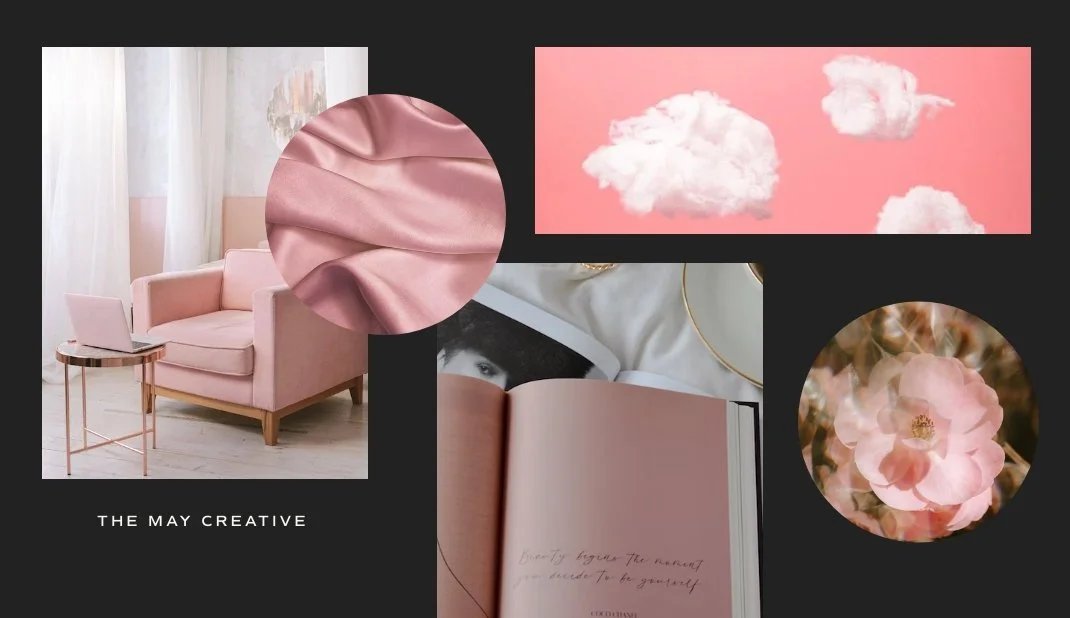
Pink can be seen in various ways. It often highlights romantic situations or more feminine products.
Some brands that use Pink in their branding are Victoria's Secret, Benefit Cosmetics, and Barbie.
Words that often describe the thoughts & emotions of the color pink are
Romance
Kindness
Feminity
Playfulness
Think about your ideal client. Are they attracted to more feminine or playful vibes? Do you like the color pink and could see this color being a part of your business?
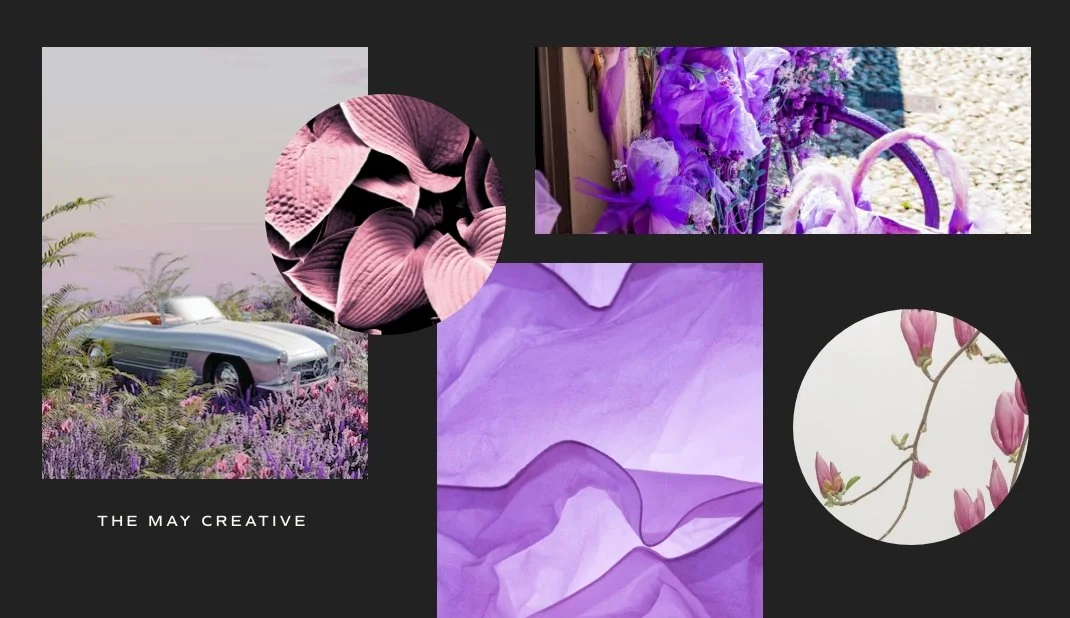
The Color Psychology of Purple
Purple is often associated with many thoughts and meanings. Its primary colors, blue and red, make it a popular choice.
Words that often describe purple are
Mysterious
Luxury
Extravagant
Independence
Wealth
No wonder it's such a popular color! Some companies that use purple in their branding are Tatcha, Purdy’s Chocolatier, and Aussie.
Sidenote: personally, I know a lot of people whose favorite color is purple. Is that the same for you? What’s your favorite color?
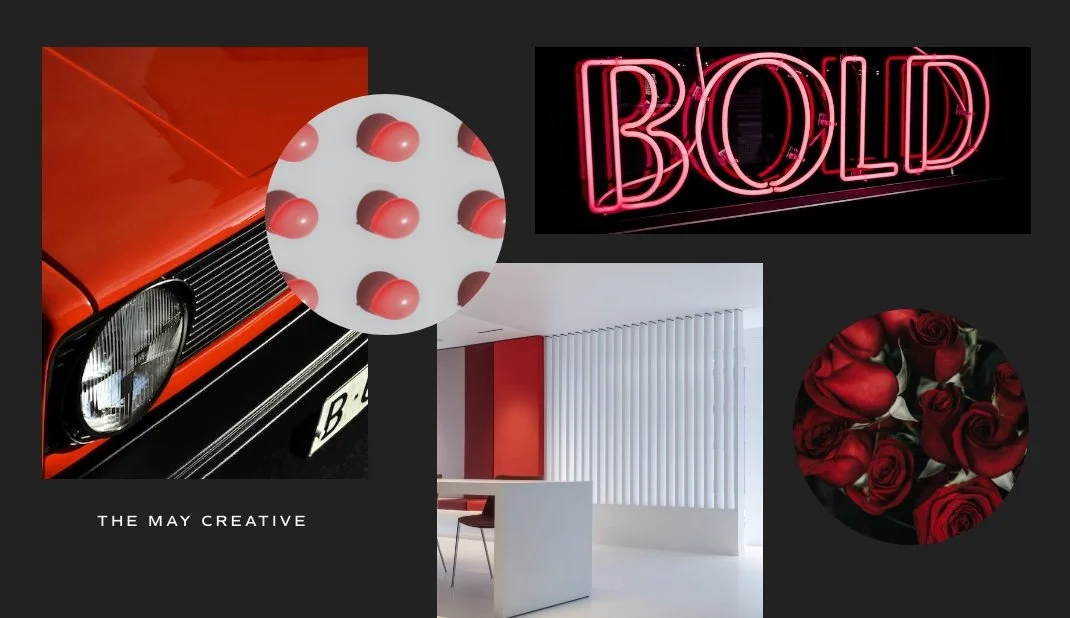
The Color Psychology of Red
Red is varied in that it can influence different emotions depending on the situation. From fiery passion to anger or pause.
As one of the boldest colors when applied to luxury, it can invoke words and feelings like
Power
Excitement
Energy
Romance
Popular brands with red branding are Netflix, Coca-Cola, and Canon.
Red is one of those colors you use when you want to be bold and make a statement. As a bolder color, it can be fun to use to spark energy!
Tip: if you are selling high-end services in a highly saturated market. Consider using the color red to help your business stand out and attract clients who align with the emotions of red.
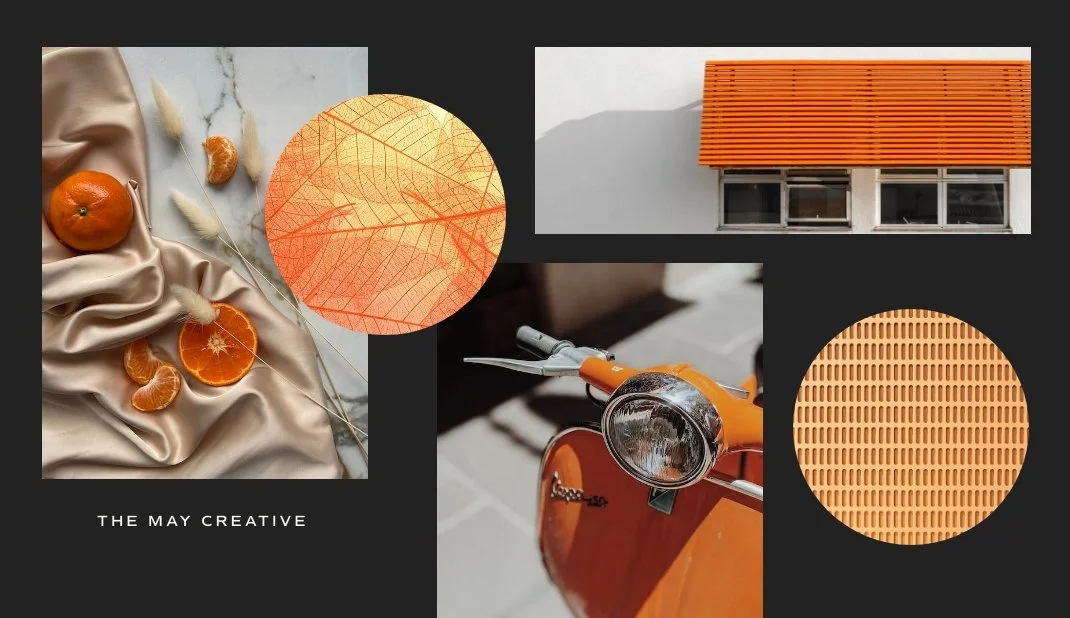
The Color Psychology of Orange
The color orange is very happy and uplifting. Depending on your region, the color could have different meanings, from negative to positive.
It’s important to research who your primary target audience is and in which region of the world they are located.
Words and feelings that often describe orange are
Happy
Energic
Uplifting
Fun
Brands that use orange in their branding are Hermès, Penguin Books, and Amazon.
Want to create some positive feelings and emotions with your services? Orange may be the perfect color for you. Businesses that use the color orange typically have clients who associate them with a service.
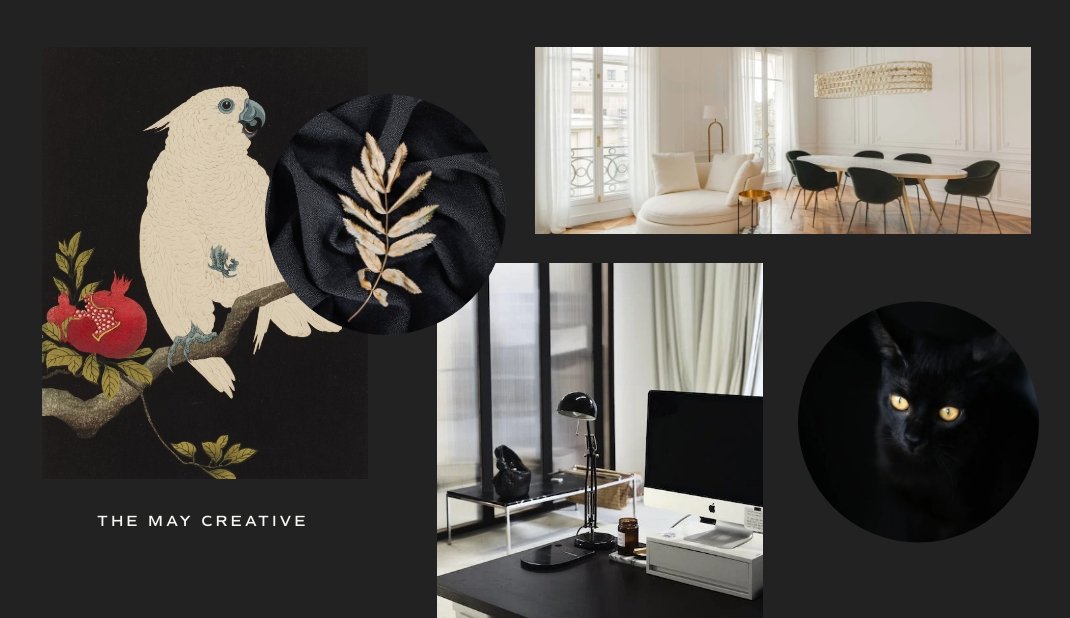
The Color Psychology of Black
Black is a neutral color with different meanings to people based on their experiences.
In terms of luxury branding, the color Black is often associated with
Power
Elegance
Authority
Sophistication
You’ll commonly see established luxury brands like Chanel, Gucci, and Louis Vuitton use black in their branding.
This color is one of my favorites as it’s a great neutral color that is powerful yet elegant. It’s also a timeless color that can be used in various situations.
Also, I want to express that you aren’t obligated to use black in your branding to represent “luxury”. I’ve had that asked plenty of times before.
Select Your Brand Color With Intention and Long-term Vision
Overall, the colors you choose for your business's branding must be selected with your clients in mind. It shouldn’t be solely chosen because it’s your favorite color. In reality, you may not be your ideal client.
It’s important to take the time to do proper market research before deciding which colors will work best for your business. Taking the necessary time to work on this part of your business will save you significant resources, such as time, energy, and money. Want to assess whether your brand matches your client caliber? Take the Brand Clarity Quiz.